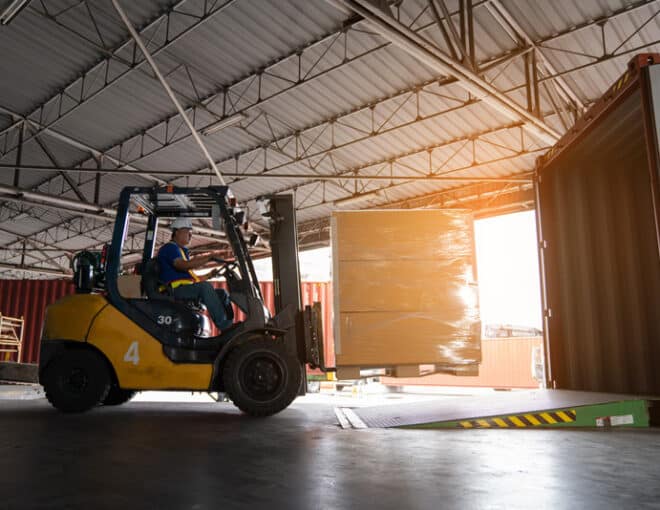

4 Trends Defining Manufacturing in 2026
By: Supply Chain Management Review
As manufacturers head into 2026, competitive advantage will increasingly hinge on mastering four core capabilities: digital transformation and AI‐enabled operations, supply chain flexibility and resilience, workforce reinvention, and customer-centric service models. These trends stem from an environment of persistent uncertainty — from geopolitical volatility to labor market shifts — requiring manufacturers to rethink traditional cost-center mindsets and invest in systems and workforce models that can adapt and learn in real time. Embracing data governance, digital twins, advanced analytics, and cross-functional culture are becoming business necessities rather than optional enhancements.
CAPSTONE TAKEAWAY
Manufacturers that succeed in 2026 won’t just adopt technologies; they’ll embed adaptability into their operating model. What separates leaders from laggards is not the presence of AI or automation, but the ability to strategically use the right technologies to anticipate disruption, simulate outcomes, and orchestrate decisions across the supply chain. Investing in a digitally enabled foundation that balances technical and human capabilities reorients manufacturing from reactive firefighting to proactive value creation. This mindset shift is critical: resilience and responsiveness integrated into core processes will define who thrives in the next decade.
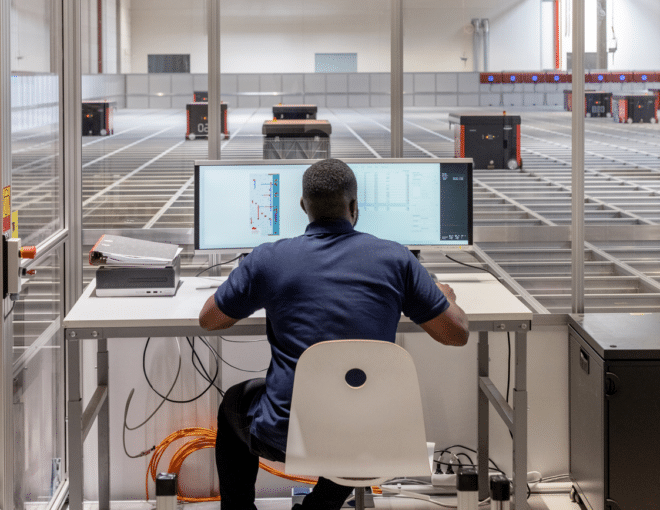
6 Steps to Prepare Supply Chains for 2026
By: Supply Chain Management Review
Leading supply chains are focusing on practical, outcome-oriented preparation for 2026 across six key areas: optimizing physical infrastructure (e.g., better use of vertical warehouse space), leveraging technology for visibility and automation, managing trade risk and cost pressures, enhancing workforce effectiveness, reinforcing risk mitigation plans, and aligning cost control with service goals. These steps reflect a shift away from “digital theory” toward tactical actions that deliver measurable results — from improved on-shelf fulfillment to leaner, more predictable inventory flows.
CAPSTONE TAKEAWAY
What’s notable about this 6-step framework is its balanced lens: it marries operational fundamentals with strategic foresight. Supply chain leaders must resist the impulse to chase the latest tech buzzword and instead prioritize practical orchestration of people, processes, and platforms. For example, optimizing warehouse space materially reduces handling cost and improves throughput reliability. Likewise, building buffers into a workforce model ensures that volatility becomes a manageable input to forecasting rather than a surprise shock. The supply chains that outperform in 2026 will be those that have built practical, actionable strategies to handle uncertainty.

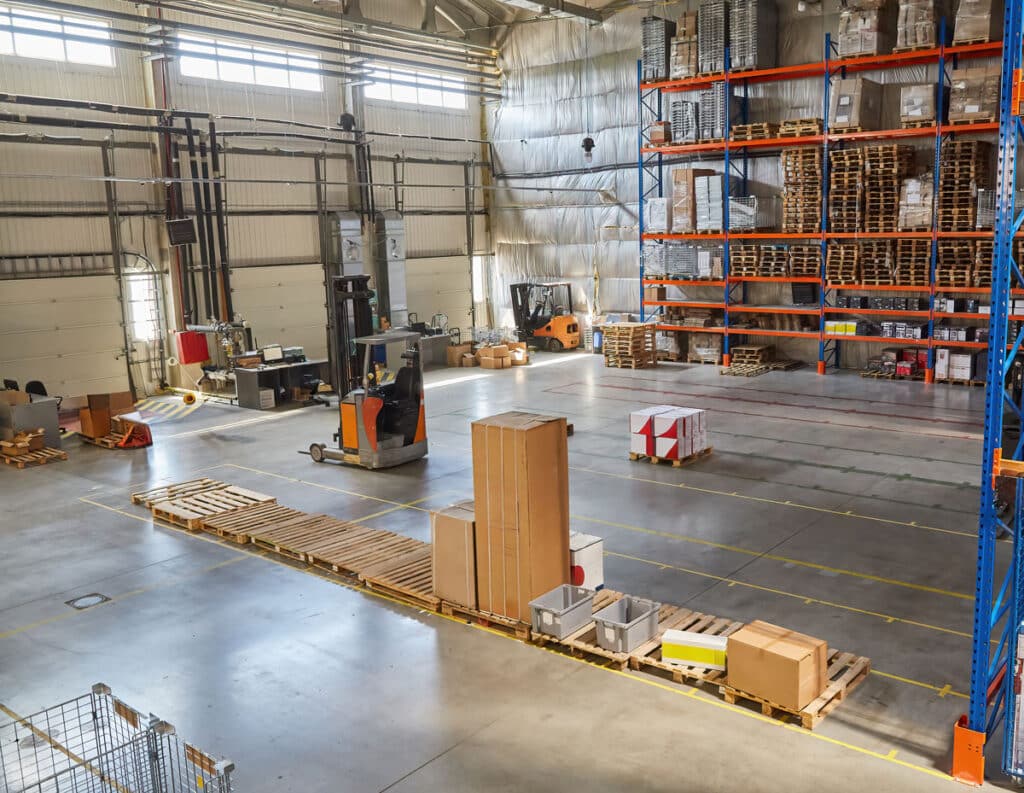
From Micro-Fulfillment to Adaptive Ecosystems
By: Supply Chain Brain
Supply networks are moving beyond standalone micro-fulfillment centers (MFCs) toward adaptive ecosystems that integrate hyper-local inventory visibility, predictive analytics, digital twins, and AI orchestration. Retailers and logistics players are experimenting with ZIP-code–level orchestration, using localized data to balance inventory, labor, and transport flows. Emerging models are experimenting with robotics, simulation tools, and layered AI governance to reduce cycle times, improve forecasting accuracy, and enable hyper-fast delivery. The goal is not simply speed, but a neighborhood-aware supply fabric that senses demand and self-adjusts in near real time.
CAPSTONE TAKEAWAY
The shift from isolated micro-fulfillment to adaptive ecosystems is still in early stages; but organizations, especially in urban areas, should start preparing now. Rather than pushing products down a linear pipeline, leading operators are beginning to construct networks that listen, learn, and respond at the edge. Networks with real-time data can quickly make decisions around replenishment, labor planning, and SKU placement. This positions them to reduce working capital, shrink wasted touches, and create customer experiences differentiated by both speed and intelligence.
Capstone Blog and News