
Peak Season Refuses to Follow the Calendar
By: The Wall Street Journal
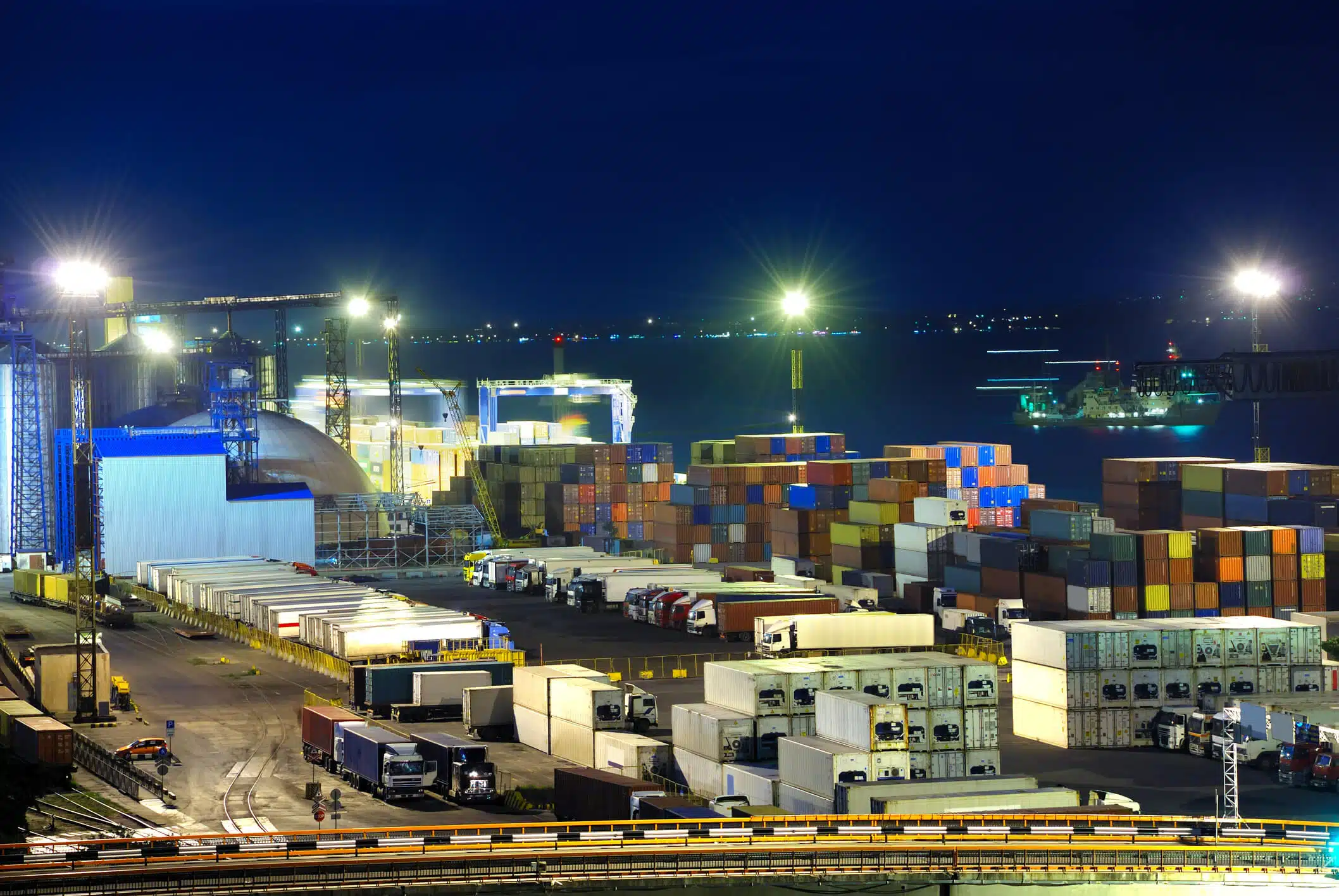
Earlier forecasts suggested 2026’s peak shipping season had arrived months ahead of its traditional late-summer and fall window, as retailers front-loaded imports to get ahead of tariffs and other disruptions. Instead, elevated volumes have persisted through the summer and into the traditional peak period. September is now projected to be the busiest month of the year at major U.S. container ports, with imports forecast at 2.31 million TEUs—up 9.6% year over year and slightly above July.
The shift illustrates how quickly the outlook has changed. In August, September imports were forecast at just 2.16 million TEUs, and May’s 2.24 million TEUs was expected to remain the year’s high point. A month later, the September forecast has risen to 2.31 million TEUs. Weather-related vessel delays in China, Panama Canal rerouting and continued consumer demand have helped keep volumes elevated, turning what initially looked like an early peak into a longer, less predictable shipping season.
CAPSTONE TAKEAWAY
Peak season is increasingly an extended test of operational flexibility that doesn’t adhere to a particular date. When volume shifts unexpectedly, warehouse operations need the ability to scale labor and throughput without carrying peak-level costs year-round. Flexible workforce models and productivity-based execution can give shippers more room to respond when forecasts—and traditional seasonal patterns—change.
The Next Bottleneck Is Inside the Warehouse
By: Supply Chain Brain
For many brands, channel complexity means manufacturing a product is no longer the final step before fulfillment. The growth of e-commerce, marketplaces, subscription programs, club retail and retailer-specific requirements requires the same inventory to be relabeled, repackaged, bundled, kitted or configured differently depending on where it is headed. This expanding layer of “post-production commerce operations” is becoming a supply chain constraint in its own right.
The result is a changing role for the warehouse. Facilities designed primarily to store and move finished goods increasingly need to transform those goods into channel-ready inventory. And during promotions, launches and peak periods, seemingly small delays in kitting, packaging, labeling or compliance can leave finished inventory sitting in a warehouse rather than available for sale.
CAPSTONE TAKEAWAY
Value-added services are becoming less “value-added” and more fundamental to fulfillment. As channel requirements multiply, brands need operations that can quickly reconfigure inventory without adding unnecessary touches, delays or providers. Integrating services such as kitting, co-packing, labeling and other customization closer to core warehouse operations can help turn finished goods into sellable inventory faster—and make it easier to shift inventory as demand changes.


Can AI Help Close Manufacturing’s Skills Gap?
By: DC Velocity
Manufacturers have spent years looking to automation as one answer to persistent labor shortages. New research from Deloitte and the Manufacturing Institute points to another possibility: using AI not simply to replace tasks, but to make specialized manufacturing knowledge accessible to a broader workforce. The study identifies nearly 2 million workers in adjacent technical occupations whose existing skills could potentially transfer into manufacturing roles with the right support.
AI-enabled workflows could help workers access technical information and guidance on the job, reducing the time required to find answers and helping employees transition into unfamiliar roles. That could expand the potential talent pool for nearly half a million open manufacturing technician positions while allowing experienced workers to focus more of their time on higher-value work requiring judgment and expertise.
CAPSTONE TAKEAWAY
The manufacturing labor challenge may not be solved by finding more people who already possess every required skill. Increasingly, the opportunity may be to redesign work so capable employees can become productive faster. AI-assisted training and knowledge tools can help manufacturers shorten learning curves and expand their available talent pool—in fact, our own training processes and benchmarks have seen success with this. However, technology is most valuable when paired with strong processes, effective training and operating models that give people clear incentives to perform.
Capstone Blog and News