
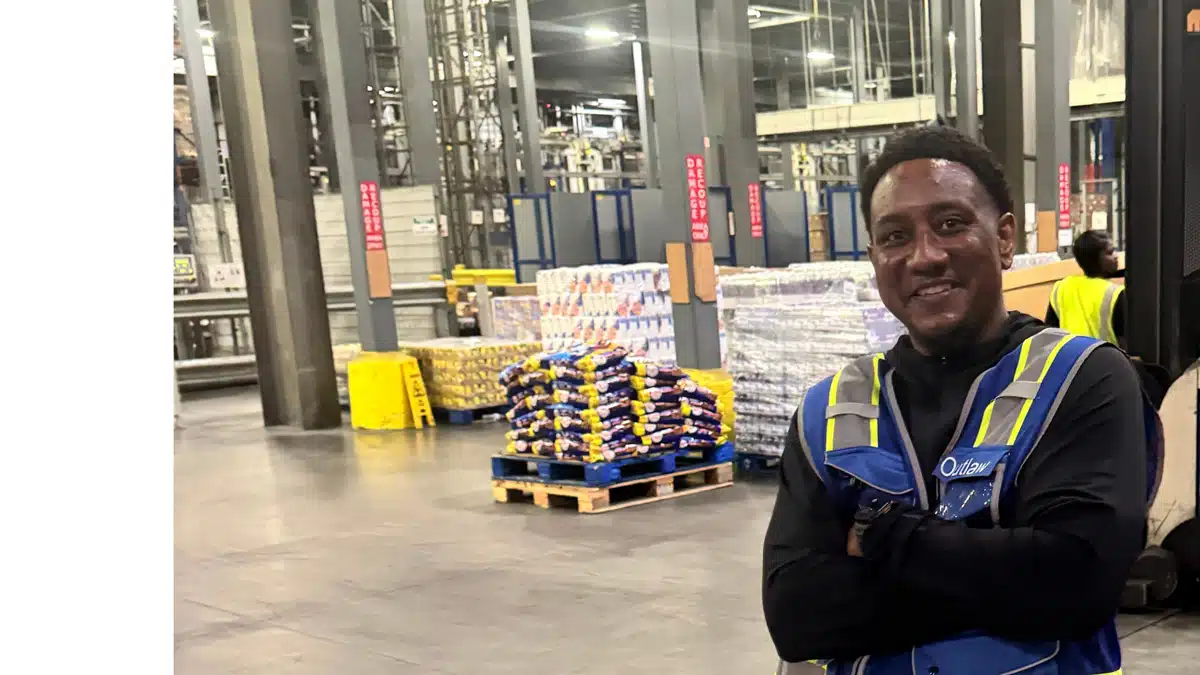
From Unloader to Director: The People and Leadership Behind a High-Performance Operation

He wasn’t looking for a career; he just needed a job close to his son, born in 2009, so that he could be present in his life.
He found one unloading trailers.
Today, Chris is a Director of Operations at Capstone, responsible for 24 locations and more than 800 associates. What happened between 2009 and today says a great deal about how this company works — and about the kind of person who tends to go far here. This Spotlight follows his path from the dock to the director’s office.
A Career Built from the Ground Up
What Career Growth in Warehouse Operations Can Look Like
Chris started as an unloader — a “lumper,” as he and his fellow dock workers called it. From there he moved through roles including auditor, lead, site supervisor, assistant site manager and site manager, working both at home locations and traveling to support other operations.
“Having worked at so many different levels of the organization has had a major impact on the way I lead today. I never want to forget where I started or the people who helped me along the way.
“Because I performed the work myself, I understand the challenges both associates and frontline leaders encounter every day. I also know exactly what is possible inside a logistics organization for someone willing to work.
“The associate on the floor today is tomorrow’s supervisor, manager or director. Sometimes that person simply needs someone to recognize their potential, challenge them and give them an opportunity.”
Twenty-Four Warehouse Sites. Each With a 3-Hour Clock.
Today, Chris oversees 24 locations supporting a major grocery retailer and more than 800 associates. At that scale, consistency becomes one of the biggest leadership challenges there is.
“The operation is fast-paced, and performance is measured every single day. One of the primary daily scorecard metrics I track is Inbound Proficiency Efficiency, or IPE. IPE requires a warehouse team to complete an entire inbound load within a 180-minute window: the clock starts when the driver checks in at the gate and stops when the work is finished and the driver checks out.
“Three hours. Every load. Every day.
“That window creates constant operational urgency. Teams coordinate staffing, door assignments, unloading, productivity, safety and communication while managing against the clock. And with 24 locations, something is always happening somewhere.
“Having worked at so many different levels has had a major impact in the way I lead today. My current role is less about personally managing every detail and more about making sure the leaders at each location have the tools, expectations and support they need to make good decisions.”
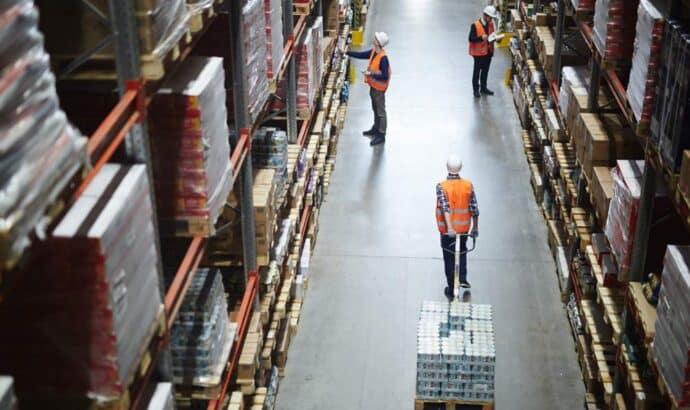
Can You Build a Career in Warehousing?
Chris started on a dock in Memphis. Across 700+ locations nationwide, Capstone associates are moving from the floor into lead, supervisor and management roles — often faster than they expected. We’re proud of the fact that over 70% of leadership positions are filled through internal promotion. If you want work that rewards performance and determination with advancement, we’re hiring.
The associate on the floor today is tomorrow’s site manager.

What You’d See If You Spent a Day on the Floor
Most people never think about the supply chain that brings a product to a store shelf — but an enormous amount of work happens before that point, and Chris gets to see much of it firsthand.
“Depending on the site, Capstone teams provide unloading services for inbound freight, audit product, provide switching services, manage salvage and reclaim operations, perform value-added services and support other areas of a customer’s supply chain.
“Conditions change throughout the day: volumes fluctuate, schedules shift, problems arrive unannounced. Teams must adjust to all of these variances while continuing to prioritize safety, productivity and customer expectations.
“More than anything, you would see people solving problems in real time. That, in my experience, is the defining characteristic of an operation that performs.”
High-Performing Warehouse Operations Always Start with People
Ask Chris what makes an operation successful, and the answer is immediate.
“You can have great processes and technology, but you still need engaged people who understand the expectations and leaders who are willing to hold themselves and their teams accountable.
“From there: disciplined processes, consistent communication, strong financial management and a genuine partnership with the customer. But people execute the process, people use the technology and people build the customer relationship.
“That philosophy extends to the relationship between a third-party logistics (3PL) provider and its customer. The strongest operations don’t run on an ‘us versus them’ mentality. The entire team, from unloaders up to senior leadership, understand the partner’s goals, recognize how their performance affects the broader operation, and work together to solve problems.
“When a customer knows they can call you, get an honest answer and trust that you will work toward a solution, you become more than a service provider — you become a partner.”
When the Operation Needs to Scale, People Step Up
One example Chris is particularly proud of is Capstone’s ability to launch new operations and stabilize locations that need additional support.
“Our network recently launched new salvage operations. As with any startup, there were multiple priorities to manage at once: recruiting, training, safety, productivity, customer expectations and financial performance. And no matter how well you prepare, some challenges can’t be anticipated.
“I was confident in a successful launch; and what stood out to me was how people across the region came together to make it happen. Leaders and associates left their home locations, shared their experience, trained new associates and supported the operation wherever they were needed.
“That is what a strong organization looks like: people willing to step outside their normal roles and locations to work toward a common goal.”
“You Have to Inspect What You Expect”

“I believe a leader’s responsibility is to develop other leaders, set clear expectations and create accountability. That means establishing standards, measuring performance, following up and addressing problems early rather than letting them grow.
“It also means that you have to inspect what you expect.
“Metrics and reports show what is happening across an operation. I believe effective leadership requires going further. I travel frequently to spend time on the floor, talk with associates, observe operations and meet with customers.
“Reports and metrics can tell you what is happening. Being on the floor, talking with associates, observing the operation and meeting with our customers helps me understand why it’s happening.
“Standards stay consistent across every location, but the leadership approach sometimes has to change based on the people, the operation and the situation.”
For Chris, It’s About Watching People Grow
Ask Chris what he enjoys most and it isn’t the metrics. It’s watching an hourly associate develop into a leader, or a struggling leader find their confidence and start to succeed.
“I know firsthand what is possible, because it happened to me. I joined Capstone as an unloader. More than a decade later, I am responsible for developing leaders and overseeing a network of operations.
“I’m grateful for the people who saw potential in me, challenged me and gave me opportunities to grow. Because of that, I believe I have a responsibility to do the same for others.
“My goal is straightforward: leave operations better than I found them, and leave people better prepared for their next opportunity.”
Off the Clock: Father First
The job comes with significant travel and responsibility. When Chris is home, he is deliberate about how he spends that time.
“Outside of Capstone, I’m a father first.
“That’s where this started. Being a father is what brought me to Capstone in the first place, and twelve years and one career later, my priority hasn’t changed.
“Success professionally is important to me, but so is making sure the people who matter most in my life receive the best parts of me as well.”
The People Behind the Supply Chain
A logistics operation is ultimately measured by results. But sustainable results require more than a strong process or a good technology platform. They require people who know the work, leaders who develop their teams, processes that create consistency and partnerships built on trust.
Chris took a job unloading trailers because he wanted to be near his son. He found a career — and today he is helping build those same opportunities for the people coming up behind him.
In logistics, success is rarely about one person. It is about teams capable of solving today’s problems, developing tomorrow’s leaders and keeping the supply chain moving, day after day.