
Developers Return to Building U.S. Warehouses
By: Wall Street Journal
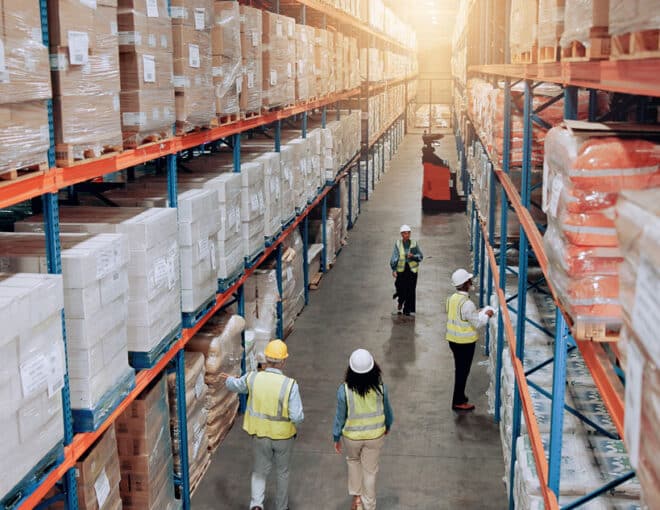
After two years of slowing development, warehouse construction is picking up again. According to The Wall Street Journal, more than 305 million square feet of industrial space was under construction in the second quarter of 2026, an 18% increase from a year ago. Unlike the pandemic-era building boom, today’s projects are being driven by stronger leasing activity and more disciplined demand, fueled by reshoring, AI infrastructure, inventory strategies, and continued growth in outsourced logistics. Developers remain cautious, but many believe the industrial market has turned a corner.
CAPSTONE TAKEAWAY
The increase in warehouse construction reflects growing confidence in the industrial market, but it also highlights a familiar challenge: expanding capacity is only the first step. Bringing new facilities to stable, productive operations—and sustaining performance as demand, labor availability, and supply chain conditions continue to evolve—is what ultimately determines the return on those investments.
The Biggest Barrier to AI in Supply Chains Isn’t Technology
By: Supply Chain Management Review
Many supply chain AI initiatives fall short not because of the technology, but because organizations try to automate inefficient processes. In a recent Supply Chain Management Review article, Dell Technologies’ Chief Supply Chain Officer Kevin Brown argues that successful AI adoption starts with simplifying workflows, standardizing processes, and eliminating unnecessary complexity. Only then can AI deliver meaningful business value and, eventually, support more autonomous decision-making through agentic AI.
CAPSTONE TAKEAWAY
The greatest value of AI comes from amplifying operational discipline. Organizations that first build consistent processes, reliable data, and standardized ways of working will be best positioned to realize AI’s potential. Those that don’t risk automating complexity instead of improving performance.


Retailers Are Racing to Beat Tariffs
By: Inbound Logistics
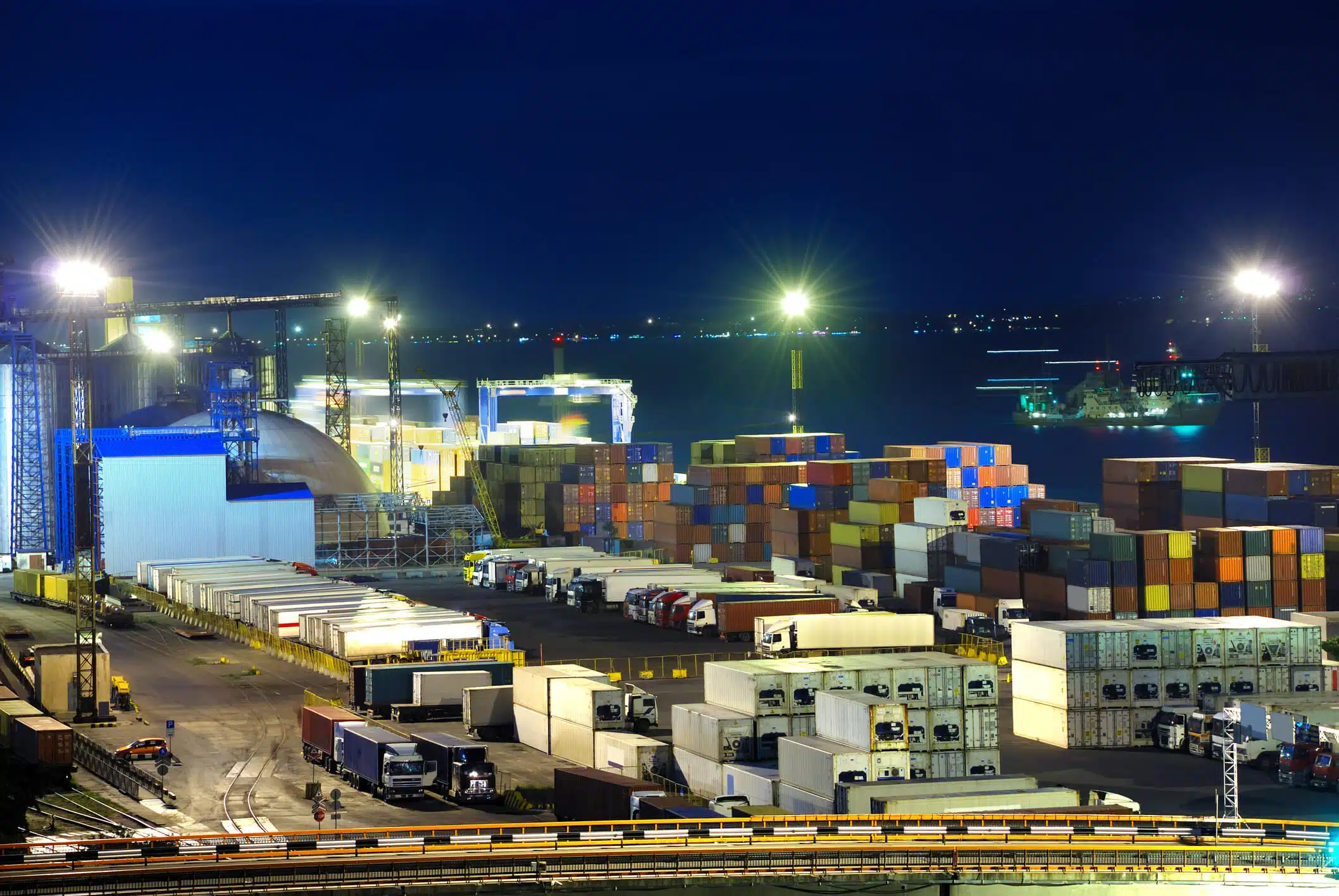
Retailers are accelerating imports ahead of potential tariff increases, creating an unusually early peak season for warehouses and distribution networks. The latest Logistics Managers’ Index reflects growing pressure on inventory, warehousing capacity, and transportation as companies reposition inventory to avoid higher costs. The article argues that success will depend not only on available space, but on warehouse networks that can quickly adapt to sudden shifts in volume and demand.
CAPSTONE TAKEAWAY
Tariffs may trigger the surge, but operational agility determines how well companies respond. As peak demand becomes less predictable and more event-driven, warehouse networks must be designed to absorb volume spikes without sacrificing productivity, service levels, or cost performance. Building flexibility into operations is becoming just as important as building capacity.
Capstone Blog and News