
Small Warehouse Shortage Presents Challenges for Businesses
By: The Wall Street Journal
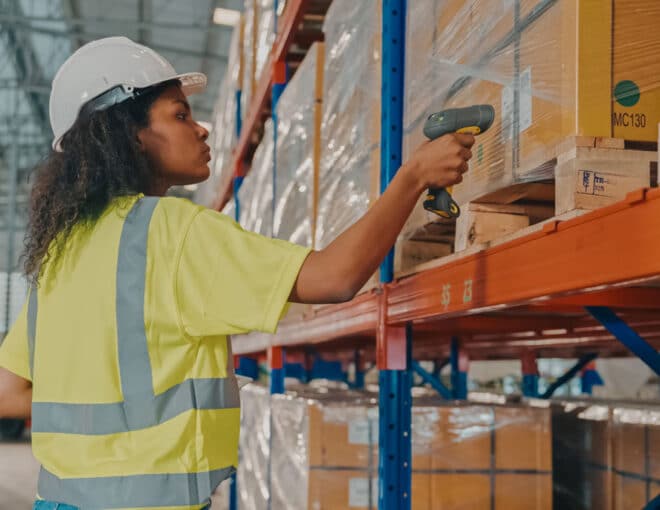
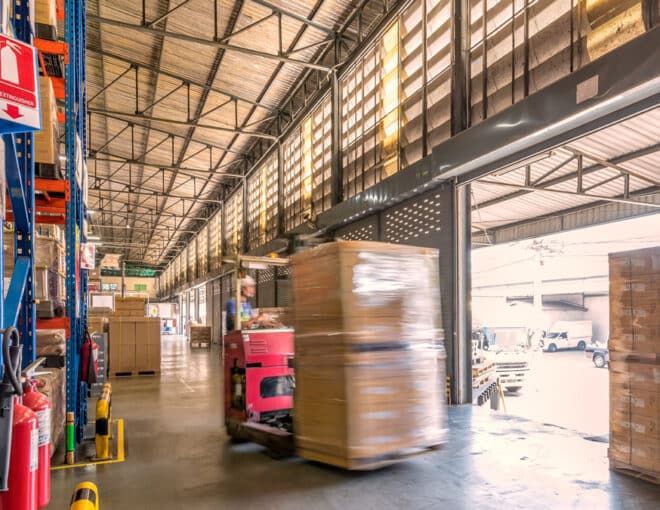
The availability of small warehouse spaces (under 100,000 square feet) is increasingly scarce, with vacancy rates as low as 3.9%, highlighting a growing challenge for businesses. Developers have prioritized larger warehouses due to their profitability, while urban constraints and high land costs limit the construction of smaller facilities. However, many businesses need smaller spaces for fast-moving products.
As a result, businesses seeking smaller warehouse spaces are facing significant challenges, forcing them to optimize their existing space or look beyond traditional industrial hubs.
CAPSTONE TAKEAWAY
The growing shortage of small warehouses highlights the need for businesses to rethink how they manage space and operations. Fortunately, there are several options for companies. Instead of relying on new facilities that may not be available, companies can focus on optimizing their existing footprint through better labor management, data-driven inventory strategies, and process efficiency improvements. Flexible, technology-enabled warehouse solutions can help businesses maximize productivity even in constrained environments, reducing their reliance on securing additional space in an increasingly competitive real estate market.
For companies that need small spaces for fast-moving products, partnering with a cross-dock facility can be an effective alternative. By using a cross-dock model, businesses can quickly transfer goods between inbound and outbound transportation without the need for long-term storage, reducing their overall space requirements while maintaining speed and efficiency in distribution.
Gen Z’s Entry into Manufacturing: A Competitive Advantage
By: Supply & Demand Chain Executive
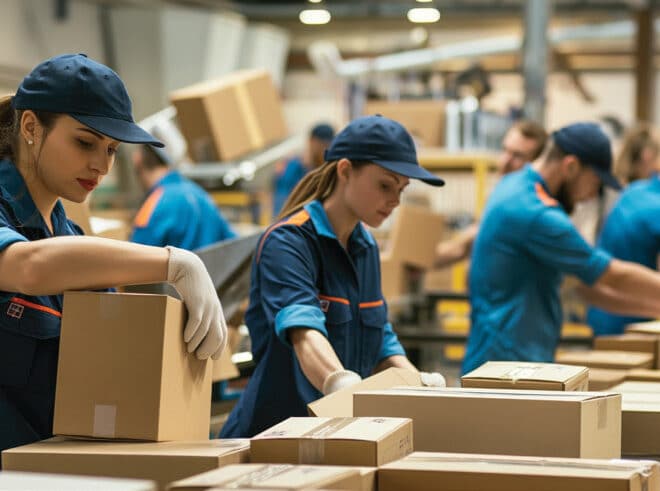
The manufacturing industry is facing increasing labor shortages with no end in sight. As experienced, skilled workers retire, attracting Gen Z workers is critical for long-term stability. This generation values technology-driven work environments, career development opportunities, and socially responsible employers. Companies that invest in AI, robotics, and automation — while offering continuous learning and upskilling programs — are more likely to appeal to young workers and close the talent gap in industrial roles.
CAPSTONE TAKEAWAY
The labor challenges in manufacturing won’t be solved by recruitment alone — companies must adapt to the expectations of the next generation of workers. In a sector long dominated by traditional methods, rethinking workforce engagement could be the key to future-proofing manufacturing operations.
It’s something we believe in at Capstone: We employ over 200,000 skilled, trained, and productive associates — many of whom are up-and-coming Gen Zers — with very low employee turnover. For example, our structured training and upskilling programs align with Gen Z’s desire for career growth, ensuring long-term retention in logistics and manufacturing roles.
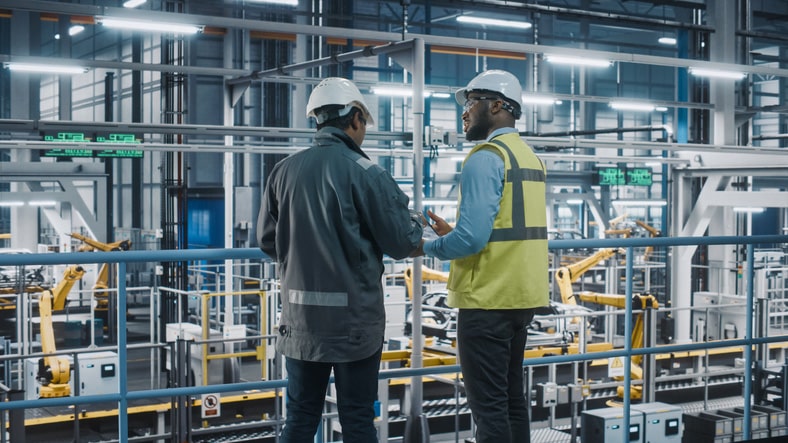
Collaboration is the Future of Supply Chain Success
By: Material Handling & Logistics
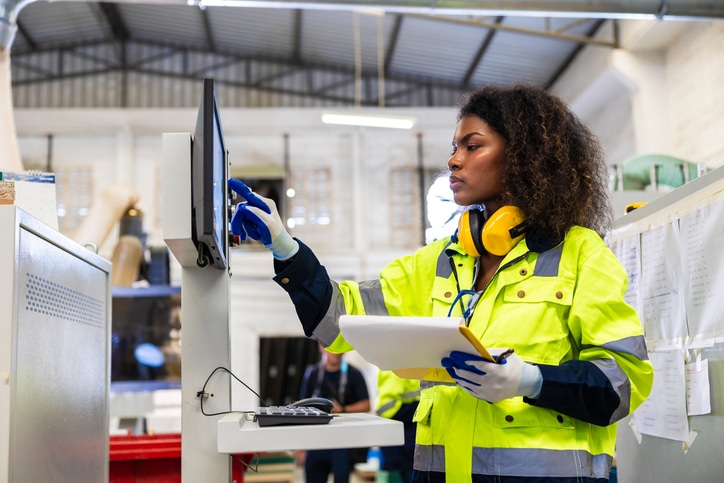
Supply chain leaders are increasingly focusing on strategic collaboration with suppliers and partners. Creating collaborative strategies with suppliers can significantly reduce expenses and improve efficiency, driving value through supplier partnerships and optimizing procurement strategies. This approach helps businesses reduce costs, enhance agility, and build resilient supply chains. With tariffs, increased regulations, and economic uncertainties affecting global trade, businesses that prioritize transparency, data sharing, and joint problem-solving will be better positioned for long-term success.
CAPSTONE TAKEAWAY
As customer expectations continue to rise, supply chain success increasingly depends on how well operations work together across functions and partners. Speed and accuracy matter—but so does alignment between warehouse teams, fulfillment operations, and delivery networks.
Retailers that invest in flexible labor models and operational collaboration are better positioned to adapt quickly, maintain service levels, and execute consistently as conditions change. With Capstone Logistics as your partner, you gain the people, processes, and visibility needed to keep your supply chain connected, responsive, and resilient—no matter how the market evolves.
Capstone Blog and News