
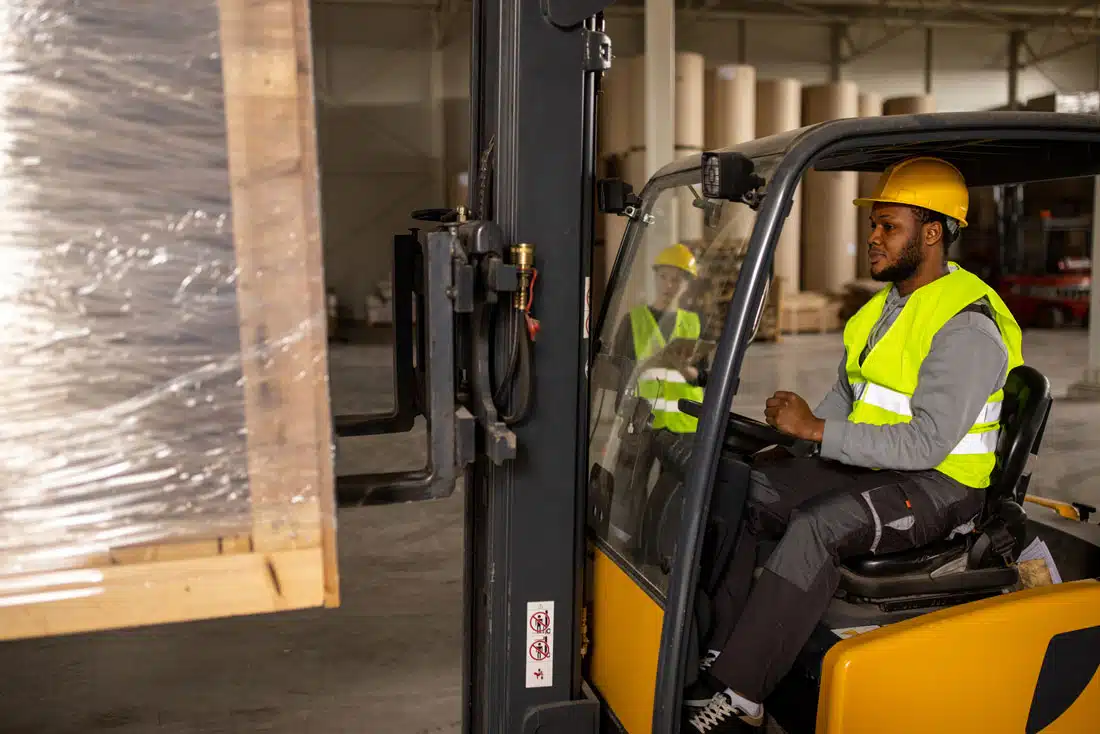
Why Unloading Is the First Step in Forklift Safety
Forklift safety isn’t defined by a single moment or operator — it’s shaped by the environment where forklifts are used. Nowhere is that more true than at the loading dock, where unloading introduces tight spaces, mixed traffic, shifting loads, and time pressure all at once.
Forklifts are powerful tools; in the right hands, they drive productivity and throughput. But when unloading isn’t structured or controlled, those same conditions create risk for people, freight, and operations.
National Forklift Safety Day on June 10 serves as a reminder that safety shouldn’t be seasonal or symbolic. It has to be embedded into daily unloading practices — especially at the dock, where most forklift incidents originate.
Eight Core Practices That Reduce Forklift Risk During Unloading
While forklift safety involves many variables, these eight best practices address the highest-risk moments during unloading — where dock congestion, time pressure, and unfamiliar freight make incidents more likely.
1. Only Certified Operators Should Touch a Forklift
It seems obvious, but unauthorized use is still a major cause of warehouse injuries. OSHA requires operators to be trained and evaluated every three years. Supervisors must strictly enforce this rule without exception.
2. Clear the Dock Before You Roll
Unloaders must ensure their workspace is free of debris, spills, or unsecured freight before starting. Cluttered docks cause slips, trips, and impaired visibility, especially when forklifts are moving in tight quarters.
Tip: Mark clear walking paths with floor tape and use safety cones during active unloading.
3. Use Restraints and Communication Signals

Combine that with red/green light signals at dock doors to communicate load status between forklift operators and drivers. Everyone should know when it’s safe to move.
4. Secure the Load Before Moving It
Unstable freight or loose pallets pose risks the second forks lift off the ground. Ensure each pallet is secure and evenly balanced. If wrapping is damaged or loads shift during transit, take time to re-secure before moving.
5. Mind the Corners — and the Clock
Speed is the enemy of safety. Forklift operators should slow down at intersections, honk horns, and make wide, controlled turns. Hitting sharp corners or narrow spaces without visibility causes preventable accidents.
Consider adding smart traffic sensors; visual reminders are even more effective than audible warnings in loud warehouses or those where employees are wearing headsets.
Bonus tip: Never assume you’re seen. Always yield and signal your movements.
6. Don’t Lift What You Can’t Handle
Manual lifting remains a leading cause of strain injuries for warehouse workers. Train staff to use carts, pallet jacks, and team lifts where necessary, and make sure they know their physical limits.
Encourage a “speak-up” culture if equipment isn’t working or tasks feel unsafe.
7. Perform Pre-Shift Inspections
Before every shift, operators should inspect forklifts for fluid leaks, brake issues, horn functionality, and proper fork condition. Report and remove any damaged vehicles from service until fixed. OSHA offers checklists for many powered vehicles, such as electric and propane forklifts.
8. Reinforce with Regular Training
Safety isn’t one-and-done. Ongoing education helps reinforce protocols, refresh hazard awareness, and share lessons learned across the team. Annual safety training, toolbox talks, and near-miss reviews are essential.
Safety Is Everyone’s Job
Let’s keep safety top of mind on National Forklift Safety Day, and every day after.
To get the latest on forklift safety, attend the Industrial Truck Association’s (ITA) free virtual conference.
Safety Starts with Smarter Unloading
At Capstone, safety is embedded in how we operate, from the dock to the driver’s seat. With decades of unloading experience across 650+ sites, we understand that performance starts with protection. Our pay-for-performance model, patented rigorous training model, and commitment to real-time visibility help our partners run safer, smarter operations.
Want to learn how our unloading solutions can improve efficiency while keeping your teams protected? Explore Capstone’s unloading services or reach out to start a conversation.