Warehouse Robotics: The Future of Fulfillment
By: Inbound Logistics
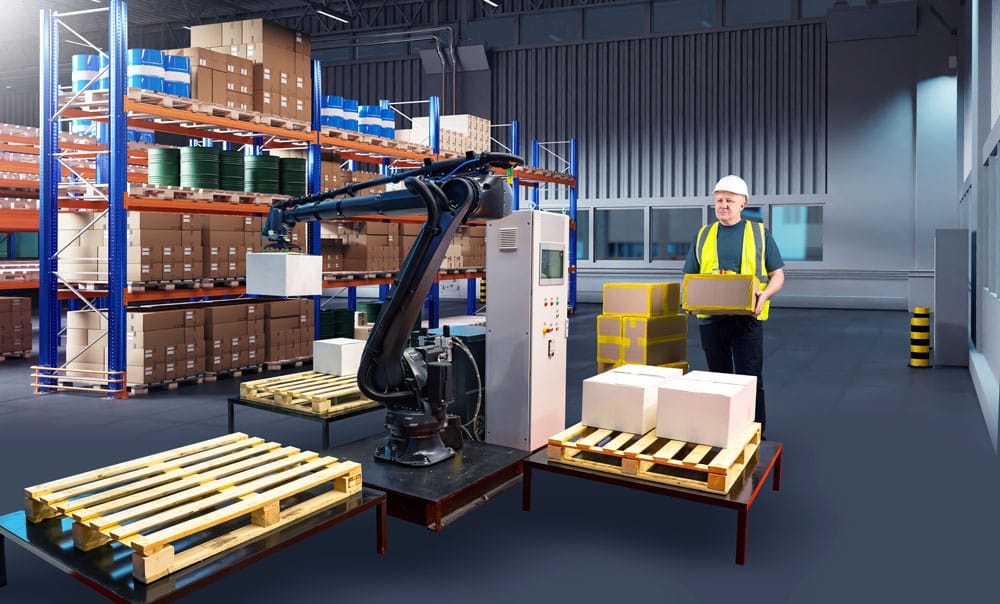
Warehouse robotics adoption continued to accelerate in November as operators worked to manage volume swings, labor shortages, and higher service-level expectations. Robots now support many functions that were once fully manual—picking, case movement, pallet transport—helping maintain throughput and order accuracy even when labor capacity is tight. By automating routine and physically demanding tasks, robotics increases output, reduces errors, and speeds fulfillment.
Importantly, robotics delivers the strongest results when paired with a skilled workforce. Automation handles repetitive motion and lifting that typically slow teams over the course of a shift, while employees focus on decision-making, exception handling, product quality, and customer-specific requirements that benefit from experience and attention. In this model, robotics becomes an operational enhancer—a tool that elevates workforce productivity, safety and consistency.
CAPSTONE TAKEAWAY
Automation should amplify human potential, not replace it. Capstone’s technology-forward approach blends knowledge of industry automation, data visibility, and engineered labor models to unlock higher performance and more consistent workflows. By facilitating operations that integrate human expertise with the right automation, we help partners build fulfillment ecosystems that are faster, more adaptive, and better prepared for long-term growth.
AI Safeguards Workers During Peak Season
By: Forbes
As peak season accelerates, logistics networks face higher volumes, tighter timelines, and heightened safety risks. To cope, companies are increasingly deploying AI tools that predict workload stress, flag safety hazards, and automate real-time adjustments to labor allocation. These systems help reduce fatigue, prevent overexertion, and support more balanced performance during high-demand periods, ultimately strengthening retention in a sector where seasonal turnover is historically high.
CAPSTONE TAKEAWAY
Capstone, as a people-powered company, knows that keeping people safe is foundational to operational excellence. And as a tech-enabled company, we leverage predictive analytics, real-time visibility, and safety intelligence to identify risks before they impact workers or productivity. By integrating human insight with data-driven oversight, and incorporating AI as its capabilities advance, we create more sustainable work environments. Our approach supports safety and accountability by focusing both on peak performance and long-term workforce stability.


Smart Routing and Reverse Logistics Reshape Efficiency
By: Supply Chain Brain
Logistics firms are leveraging smart routing and advanced analytics to streamline reverse logistics and reduce inefficiencies. With increased e-commerce returns and fluctuating demand patterns, companies are investing in AI-powered routing systems that optimize delivery paths, lower fuel usage, and accelerate returns processing. This shift supports sustainability goals and enhances customer experience while lowering operational costs.
Retailers are increasingly viewing returns and the broader reverse-logistics flow not as a cost center, but as a strategic differentiator. This shift is driven by sizeable e-commerce-led return volumes, sustainability pressures and the rise of recommerce.
Rather than simply processing returns, leading retailers are redesigning infrastructure, analytics and network flows to extract value from returned and excess goods, reselling, refurbishing or redirecting them into secondary channels. This can transform returns season, once a logistics headache, into a competitive edge.
CAPSTONE TAKEAWAY
At Capstone Logistics, we believe that reverse logistics must be woven into operational design to be successful rather than a drain on resources. By integrating analytics, routing, inspection, and value-recovery strategies into the same architecture used for fulfillment, it is possible to reduce cost, drive sustainability and build resilient networks. In practice, facilities might design return flows that mirror forward-flow, apply data-driven routing and inspection to maximize salvage or reduce disposal expense, or leverage network flexibility to support secondary markets. By looking at reverse logistics through a lens of opportunity, companies can build a stronger competitive advantage and operational ROI.
Capstone Blog and News