

From regulatory updates and technology advancements to changing supply chain demands and operational challenges, Capstone Logistics Market Insights keeps logistics and operations leaders informed on the topics shaping warehouse management, transportation operations, distribution strategy, labor performance, and last mile delivery. Our team curates and summarizes the most impactful industry articles, delivering clear, actionable insights to help businesses stay ahead in an evolving supply chain environment.

July 2026
The July 2026 edition of our Market Insights explores why warehouse construction is gaining momentum, how companies are turning AI into measurable business value, and what shifting tariffs mean for supply chain strategy and operations.

June 2026
The June 2026 edition of our Market Insights explores why peak season planning is starting earlier, how to maximize supply chain technology investments, and the operational strategies helping organizations stay ahead of disruption.

May 2026
The supply chain industry entered 2026 in a defensive crouch—preparing contingency plans, tightening buffers, and bracing for the demand hit that soft consumer sentiment seemed to promise. That hit, so far, has not materialized as predicted.

March 2026
The March 2026 edition of our Market Insights highlights warehouse management system (WMS) decision-making, the connection between upstream execution and last mile delivery performance, and flexible warehouse design strategies improving efficiency, scalability, and workforce performance.

February 2026
The February 2026 edition of our Market Insights highlights Capstone Logistics’ presence at logistics and supply chain trade shows, warehouse construction activity, and operational shifts impacting labor planning, transportation performance, and distribution strategy across the supply chain.

January 2026
The January 2026 edition of our Market Insights highlights how AI-driven supply chain operations, micro-fulfillment strategies, and manufacturing logistics trends are reshaping transportation efficiency, distribution performance, and supply chain resilience in the year ahead.
December 2025
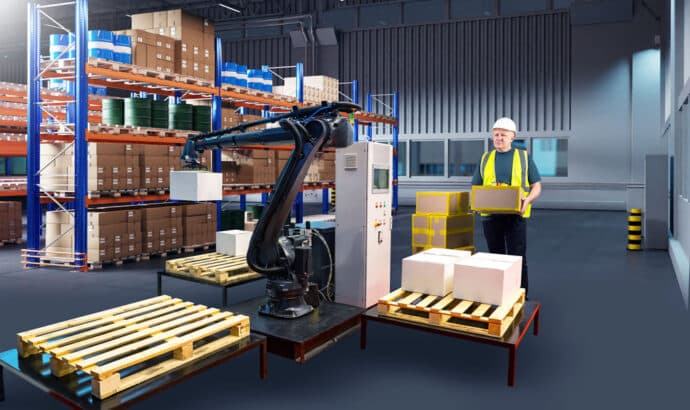
The December 2025 edition of our Market Insights highlights how automation, AI-driven safety initiatives, and smarter routing strategies are reshaping warehouse and transportation operations to improve efficiency, resilience, and workforce stability heading into the new year.

October 2025
The October 2025 edition of our Market Insights breaks down why inventory levels are shifting, how rail and port delays can impact your dock schedules, and how better logistics services are giving DC teams more control during busy weeks.

September 2025
The September 2025 edition of our Market Insights highlights the growing pressure on warehouse labor, the rise of automation as a stabilizing force, and the transportation trends influencing capacity, cost, and service heading into peak season.

August 2025
The August 2025 edition of our Market Insights covers how manufacturers are adapting to sudden shifts in demand, why tariffs are putting pressure on production and jobs, and how new immigration rules could affect the people keeping supply chains running.