
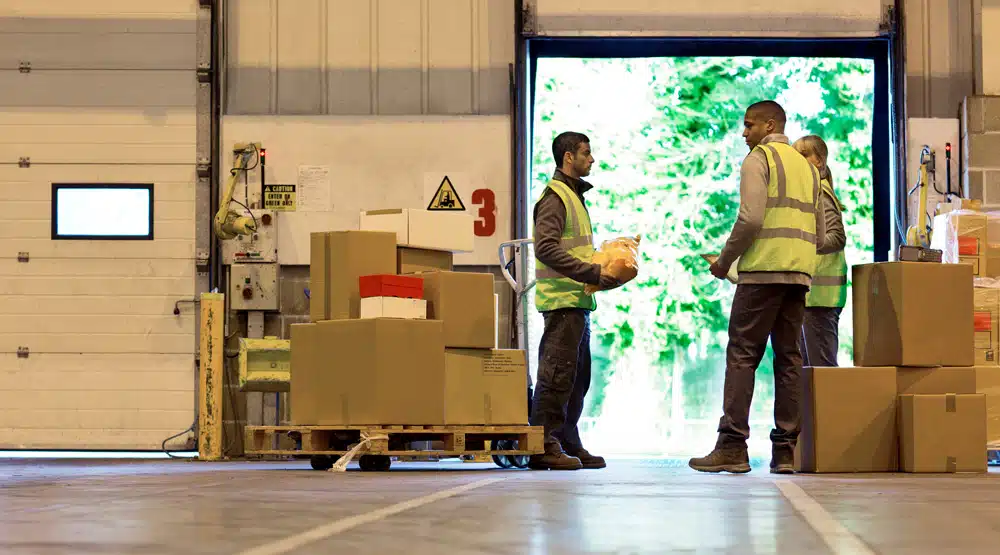
Why Loading Dock Safety Deserves a Closer Look
Loading docks are one of the most active and high-risk environments in any warehouse operation, making loading dock safety a critical part of overall warehouse safety. People, equipment, and transportation converge in a confined space under constant time pressure. As supply chains accelerate and throughput expectations increase, so does the risk; and when incidents occur, the costs extend well beyond the immediate injury. Safety is a critical priority for compliance, operational continuity, and workforce protection across your entire organization — and it starts with the loading dock.
Key Loading Dock Safety Statistics
Research aligned with OSHA guidance indicates that approximately 25% of warehouse accidents occur at or near the loading dock, making it one of the most hazardous areas in the facility. For every reported incident, there are hundreds of near-misses, many of which go untracked but signal underlying process or safety gaps.
What is a hybrid execution model, and how can it help drive measurable gains? Our eBook looks at how a hybrid warehouse can offer 5 practical benefits, such as budget predictability and reduced risk.
Common Causes of Loading Dock Accidents
Heavy equipment and constant movement are the primary contributors to loading dock incidents. Forklifts, trucks, and pedestrians often operate in close proximity, increasing the likelihood of collisions or “struck-by” hazards. Limited visibility, especially when trailers are backing into position during warehouse unloading, further compounds this risk.
Environmental and structural factors also play a role. Workers frequently operate near open dock edges, creating fall hazards that can lead to serious injury without proper controls in place. Slips, trips, and falls are among the most common incidents, often caused by wet surfaces, debris, or uneven dock plates. Trailer creep and early departure can create dangerous gaps between the dock and trailer, putting workers at risk during loading and unloading.
Best Practices to Improve Loading Dock Safety
Regular inspection and maintenance of dock equipment, such as bumpers, plates, and barriers, can prevent mechanical failures that lead to incidents. Standardized workflows and clearly marked pedestrian paths improve coordination between workers and equipment operators and reduce the improvisation that leads to near-misses.
The Role of Training and Workforce Readiness
Workforce readiness is foundational to dock safety. Training programs that go beyond basic compliance to reinforce situational awareness, proper equipment operation, and clear communication between drivers and dock personnel produce measurably better outcomes than check-the-box approaches.
Organizations that actively track near-misses and use that data to inform safety improvements are better positioned to reduce incidents over time. That accountability deepens when safety KPIs are built into the performance model itself, connecting individual behavior to measurable outcomes and giving workers a direct stake in the results. Continuous reinforcement of safety protocols ensures that best practices remain top of mind, even in fast-paced, high-volume environments — precisely where safety programs tend to erode.
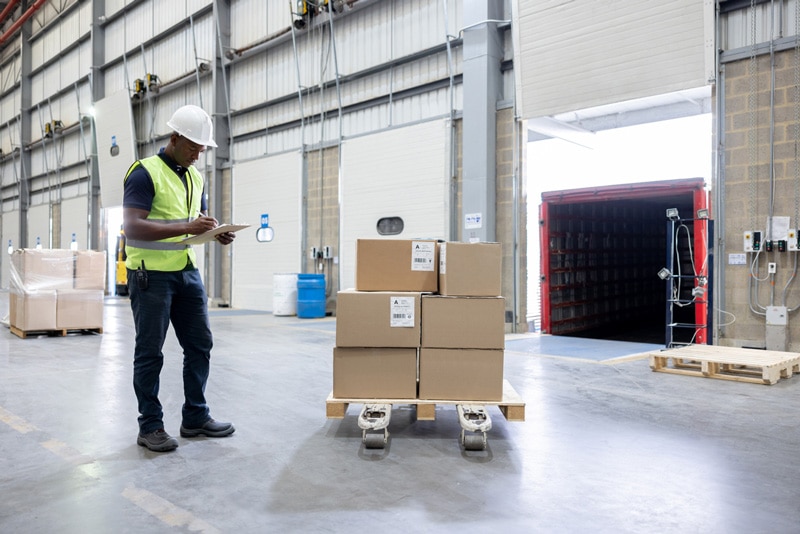
How Loading Dock Safety Impacts Operational Performance
For logistics providers, loading dock safety is more than simply a regulatory requirement; it is a direct driver of performance. Injuries cause downtime, disrupt throughput, and increase operational costs.
A safe and well-managed dock environment supports efficiency, reliability, and employee retention. At Capstone, dock safety is embedded in how we operate: our on-site leadership model, pay-for-performance structure, and standardized dock-to-stock processes create consistent accountability from dock door to the shelf. Our decades of experience have taught us that investing in safer dock operations is one of the most practical and measurable ways to strengthen both operational resilience and workforce stability.
Ready to learn more about how Capstone can improve your loading dock operations?
Explore Warehouse Management Solutions