
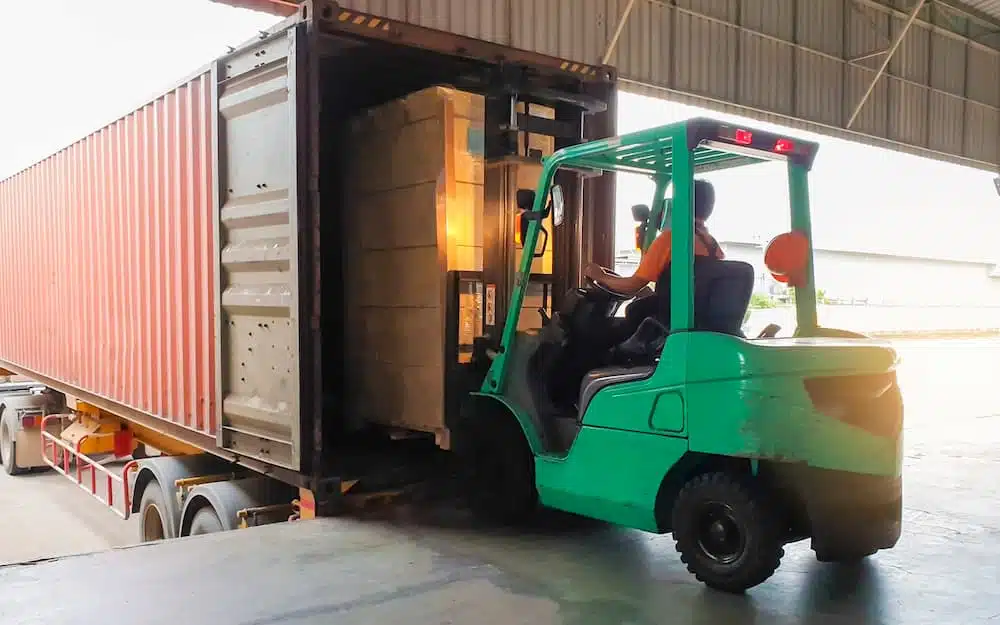
A lumper is a third-party laborer hired to manually unload freight at a warehouse or distribution center. While the practice has existed for decades, the way unloading is managed — and the risks associated with it — has changed significantly.
Unloading isn’t just a physical task. It directly impacts dock flow, detention, safety, throughput, and labor cost control. That’s why many warehouse operators are re-evaluating traditional lumping models and shifting toward more structured, accountable unloading solutions.
What Do Lumpers Do?
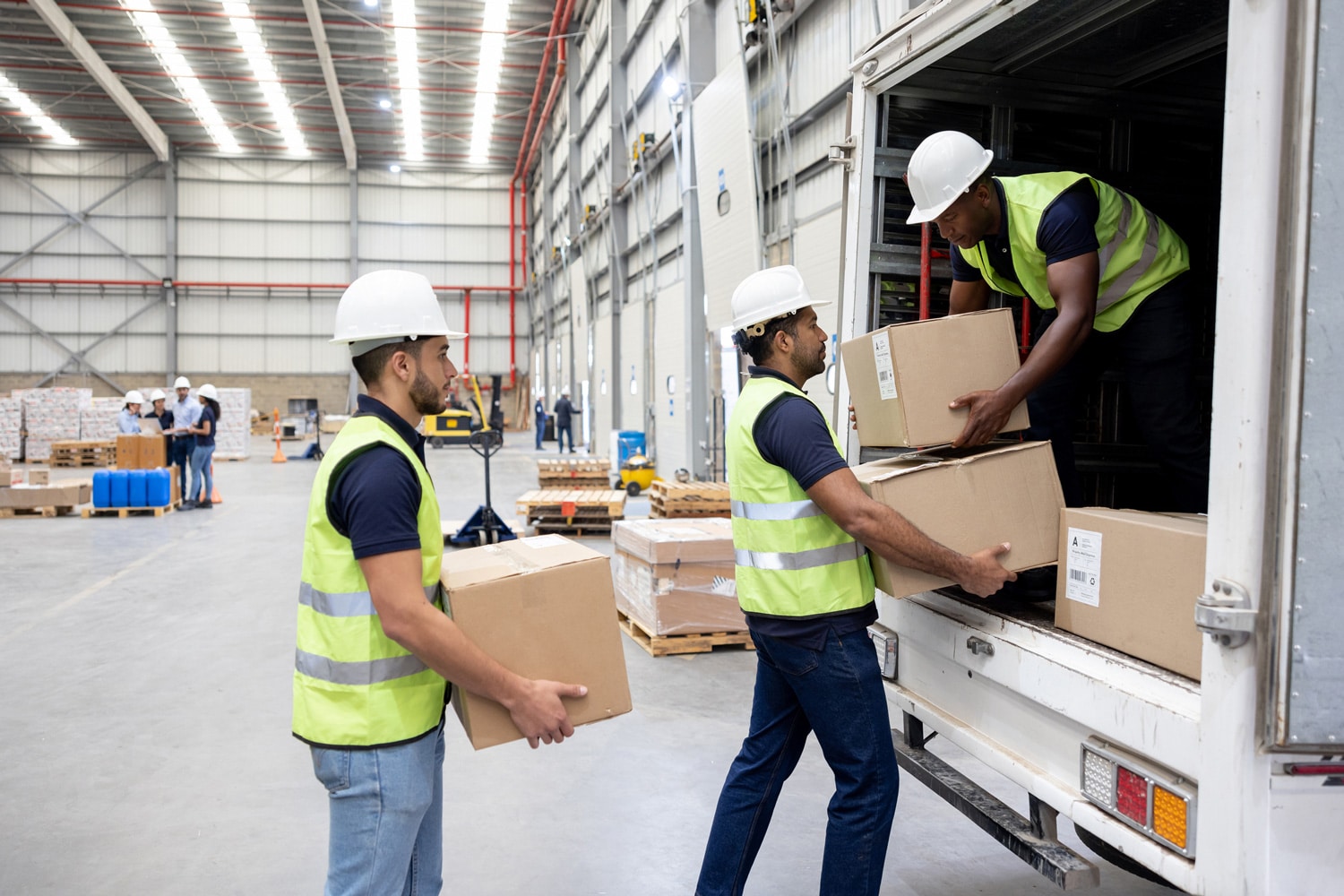
Lumpers are typically brought in as third-party labor to perform physically demanding inbound work, most commonly unloading trailers. Historically, they’ve often been contracted directly by drivers or brokers and operate outside a facility’s internal workforce systems.
Lumper responsibilities may include:
- Unloading trailers
- Breaking down pallets
- Sorting and staging freight
- Handling returns or damaged goods
- Cleaning up the dock
Because lumpers are rarely integrated into a facility’s operational systems, they may lack training on site-specific procedures, safety requirements, or technology platforms. Without shared leadership or performance metrics, this can lead to inconsistent productivity, communication gaps, product damage, and increased safety exposure.
Old School Lumpers vs. Professional Unloading Services – What’s the Difference?
Traditional lumping and managed inbound unloading may look similar on the surface, but they operate very differently in practice. The way unloading labor is structured — and whether it’s integrated into facility operations — has a direct impact on dock performance, safety, and cost control.
For a deeper comparison of these approaches, read our follow-up article on lumpers vs. inbound unloading services.
Why Traditional Lumping Creates Risk Today
The challenge with traditional lumping isn’t effort or intent — it’s that the model was never designed for the way modern warehouses operate.
As volumes increase and expectations around safety, speed, and visibility rise, unloading can’t function as an isolated, transactional task. When unloading labor operates outside a facility’s leadership structure and performance systems, small inefficiencies compound quickly. Missed unload windows turn into detention. Inconsistent practices increase damage and safety exposure. And without shared metrics, it becomes difficult to diagnose where dock performance is actually breaking down.
These issues rarely show up in planning documents or forecasts — they surface on the dock, in real time, under pressure.
Where Lumping Breaks Down in Real Operations
In theory, unloading is straightforward: freight arrives, labor unloads it, and the dock keeps moving. In practice, unloading is where many warehouse operations quietly lose control.
When lumping is handled as a transactional service, there’s often no single point of ownership for dock performance. Labor may arrive without context on inbound priorities, product sensitivity, or facility-specific safety requirements. Handoffs between drivers, unloading crews, and in-house teams become fragmented, increasing dwell time and variability.
These breakdowns rarely show up as one major failure. Instead, they surface as a pattern — longer unloads during peak hours, inconsistent productivity by door, rising damage claims, and growing frustration between warehouse teams and carriers. Over time, these issues compound, turning the dock into a bottleneck rather than a flow point.
Unloading performance improves most when it’s managed as a continuous operation rather than a series of isolated transactions.
From Lumpers to Managed Unloading Solutions
While the term lumper remains common, many high-performing warehouses have transitioned to managed inbound unloading models designed to operate as part of the facility itself.
These models go beyond labor alone by aligning:
- Trained labor and on-site leadership
- Technology and real-time performance metrics
- Pay-for-performance labor models
When unloading is treated as a managed operational function rather than an ad hoc service, facilities gain predictability at the dock, reduce safety incidents, and improve throughput without sacrificing control.
A Brief History of Lumpers
The term “lumper” dates back to the late 1700s, when dockworkers would “lump” cargo off ships by hand. The practice resurfaced in the trucking industry in the 1970s, when drivers under pressure to reduce wait times hired independent labor — often paid in cash — to unload freight quickly.
What worked in a simpler supply chain doesn’t always scale in today’s warehouse environments.
What Warehouse Leaders Often Underestimate About Unloading
Unloading is often viewed as a variable cost to manage rather than an operational system to design. That framing leads many facilities to underestimate how much unloading affects downstream performance.
Decisions made at the dock influence labor utilization, inventory accuracy, safety exposure, and carrier relationships. When unloading lacks structure, variability spreads quickly through the operation — forcing supervisors to compensate elsewhere, often at higher cost.
What high-performing facilities recognize is that unloading sets the rhythm for the entire warehouse. When unloading is predictable, teams can plan labor more effectively, reduce congestion, and maintain consistent throughput. When it isn’t, every other function is forced into reactive mode.
Capstone approaches unloading with this system-level perspective — aligning labor, leadership, and incentives so dock performance supports the broader operation instead of undermining it.
Do Lumpers Still Have Value?
Traditional lumpers can still serve a purpose in limited situations. The issue isn’t whether lumpers work — it’s whether the model scales.
As facilities grow more complex, unloading becomes too critical to be managed without ownership, training, and accountability. When unloading is treated as an ad hoc service rather than an operational function, variability increases and performance suffers.
The difference between struggling docks and high-performing ones isn’t effort — it’s structure.
From Ad Hoc to Accountable
Unloading sets the tone for everything that follows at the dock. When it’s managed well, freight moves faster, costs stay controlled, and safety risks are reduced. When it’s treated as an afterthought, small issues compound into operational friction.
Understanding what lumpers do — and where traditional models fall short — gives warehouse leaders a clearer view of how unloading impacts performance. The right structure turns unloading from a variable into a controllable part of the operation.
FAQ: Lumpers & Unloading
What is a lumper?
Lumpers are third-party workers hired to unload freight at a warehouse or distribution center, typically paid per load or per pallet and not directly managed by the receiving facility.
Who pays lumper fees?
Lumper fees are usually paid by the carrier and passed through to the shipper, though responsibility can vary based on contracts and dock policies. Because fees are often assessed at the dock, costs can be unpredictable.
Are lumper fees negotiable?
In many cases, lumper fees are not negotiated in advance and may be presented after a load arrives. This lack of transparency can lead to disputes, delays, and inconsistent unloading costs.
What are the risks of using lumpers?
Traditional lumping can increase operational risk due to limited oversight, inconsistent training, and lack of accountability. Common issues include safety incidents, product damage, uneven unloading performance, and poor integration with warehouse operations.
What are alternatives to lumpers for unloading freight?
Many warehouses are shifting to managed inbound unloading services that provide trained labor, on-site leadership, standardized processes, real-time performance tracking, and pay-for-performance models to improve safety, throughput, and cost predictability.