
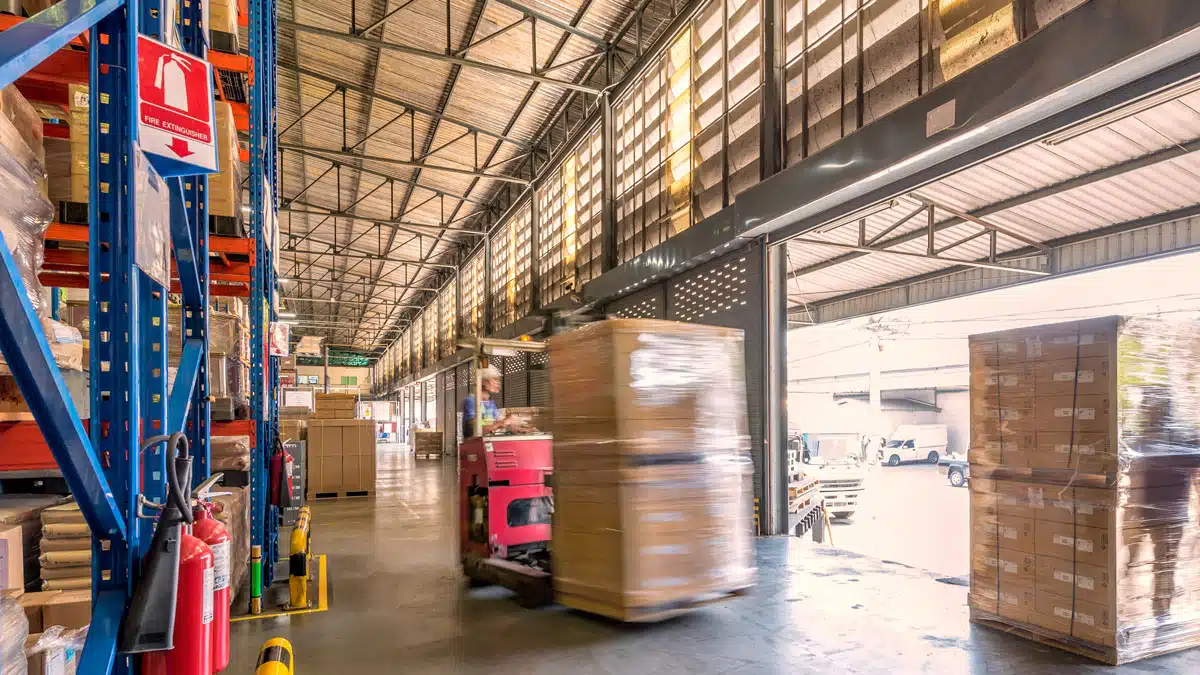
Automation Is Coming to the Dock
For years, warehouse automation has largely focused on what happens after inventory moves through the receiving dock. Automated storage and retrieval systems, robotic picking, automated sortation, and other technologies have transformed less variable processes deeper inside the warehouse. Meanwhile, one of the most complex, physically demanding, and operationally important steps has remained largely dependent on people: unloading the trailer.
That is beginning to change. As operators look for new ways to improve productivity, manage labor challenges, and support safer working environments, receiving and unloading are becoming increasingly important targets for automation. The reason is simple: the dock is the warehouse’s front door. When receiving slows down, the impact rarely stays at the dock.
Why Receiving Matters to the Entire Warehouse
A trailer arriving at the dock represents the beginning of a series of downstream activities. Freight has to be unloaded, inspected, staged, and moved to the correct area of the facility. Delays or inconsistencies at the beginning of that process can quickly create problems elsewhere.
Improving inbound logistics can therefore influence more than a single unload. It can help create a steadier flow of inventory and a more predictable operating environment across the facility.
Compliance: The Critical Step Between Receiving and Automation
The condition and compliance of inbound freight is vital for automation: it depends on freight meeting certain physical and operational requirements.
Damaged pallets, unstable loads, improperly packaged products, and noncompliant shipments can create serious problems when introduced into automated environments.
Potential consequences include:
This makes inbound quality inspection an essential part of protecting downstream operations. In addition, quality inspections can generate valuable information about recurring supplier issues, packaging deficiencies, pallet compliance, and shipment damage.
Solutions such as Capstone IQ help bring greater visibility and accountability to inbound quality and compliance, enabling operators to identify recurring problems and address them closer to their source.
Automation works best when the freight entering the system is ready for it.

Why Inbound Unloading Is Difficult to Automate
Automating a repetitive warehouse task may sound straightforward, yet truck unloading is anything but. Pallet configurations differ. Cartons vary in size, shape, weight, and condition. Loads can be mixed, irregular, or difficult to access. Freight may have shifted during transport and must be assessed for damages or restacked. Handling requirements vary by product, and trailers do not always arrive in a consistent condition.
Inside a warehouse, automation often begins within a controlled environment designed around predictable movements. Because the receiving dock is fast-paced and volatile, unloaders must deal with what actually shows up. Unloading technology must recognize different freight configurations, adapt to changing conditions, and determine how products should be handled without relying on a perfectly repeatable environment.
What Is Changing in Dock Automation?
Advances in robotics, computer vision, autonomous equipment, scheduling, and data capabilities are making inbound automation more practical. Robotics can take on repetitive physical movements. Computer vision can help equipment interpret freight and its surroundings. Better scheduling and operational data can help facilities coordinate inbound activity and identify recurring delays. Connected, automated driver check-in procedures or yard management solutions can help improve the flow and predictability of inbound freight.
These technical advances are leading us closer to inbound automation, and the opportunity is not limited to replacing a manual task. Connected equipment and reliable data can give warehouse leaders greater visibility into unload performance, labor utilization, exceptions, and process variation. Over time, that visibility can help receiving become a more measurable and predictable part of warehouse operations.
The Human Role Still Matters
Even as automation takes on more responsibility, people will remain an essential part of the receiving operation.
One reason is the same variability that has historically made unloading difficult to automate. There will always be loads that do not behave as expected, products that require special handling, and situations that require judgment.
That makes a human-plus-automation model particularly important.
Automation can take on some of the most repetitive and physically demanding work, reducing the physical workload placed on employees. Experienced warehouse workers can focus on exceptions, quality, and decisions where operational knowledge and human judgment add the most value.
This approach can also help address one of the biggest challenges facing receiving operations: the physical demands of the work.
Unloading trailers is strenuous work, often requiring employees to repeatedly lift, move and manipulate freight. As organizations place greater emphasis on employee safety, retention and sustainable workforce strategies, reducing unnecessary physical demands becomes increasingly important.
Because of the physical demands coupled with the volatility of inbound logistics, this human-plus-automation model is especially important at the dock.
9 Questions to Ask Before Automating Your Warehouse Dock
For organizations considering automation, the first step should be to create the operational consistency and data foundation that will allow automation to work effectively. Warehouse leaders should begin by asking:
Reliable processes and reliable data create a stronger foundation for automation.
This is also where experienced unloading partners and process engineers can play an important role. Standardized processes, consistent execution and operational visibility can help facilities establish the level of predictability that future automation technologies require, and expert assessments can identify where technology is most likely to add value.
The Future of Inbound Logistics Starts at the Dock

Capstone brings deep expertise in inbound unloading and the operational consistency required to keep freight moving from the dock into the warehouse. Combining experienced people, standardized processes, reliable data, and emerging technology will help facilities prepare for what comes next.