
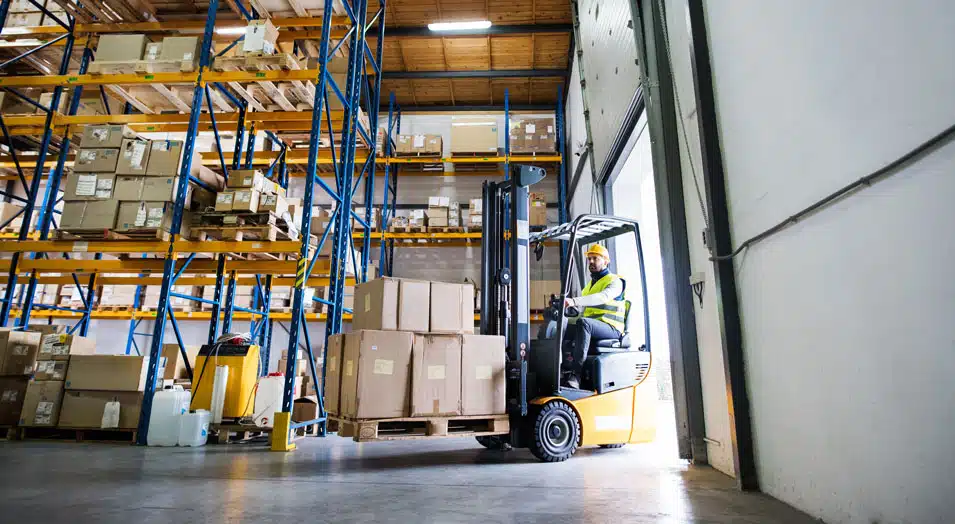
9 Cool Tips to Avoid Overheating on the Dock
Summer means longer days, higher temperatures and added challenges for people working on the warehouse dock. The combination of heat, physical work, trailers, concrete and limited airflow can make an already demanding job even more strenuous.
Keeping people cool isn’t just about comfort. Heat can contribute to fatigue, reduced focus and slower reaction times — all of which can affect safety, productivity and overall warehouse performance. Heat-related illness can also escalate quickly, making preparation and early action essential.
The good news is that practical controls can make a measurable difference. Here are nine ways warehouse leaders can help their teams work safely and stay cool during the hottest months of the year.
1. Make Hydration Easy and Accessible

Keep cool drinking water readily available near the dock and other work areas. Encourage associates to drink regularly rather than waiting until they’re thirsty. NIOSH recommends about one cup, or eight ounces, every 15 to 20 minutes during moderate work in the heat lasting less than two hours. For longer or especially strenuous shifts, balanced electrolyte beverages may also be appropriate.
The keys are accessibility and regular reinforcement. Associates should know the importance of reaching for hydration, and water should be close to the work and available in sufficient quantities throughout shifts.
2. Build Heat Recovery Breaks into the Work
When temperatures climb, short recovery periods help warehouse employees manage heat exposure before it becomes a larger problem.
Provide access to a cool, air-conditioned or appropriately shaded area where associates can take rest and recover. Supervisors should monitor conditions throughout the shift and increase the frequency or duration of breaks as ambient temperature, humidity, workload, radiant heat or required protective equipment increase.
Breaks should be long enough for employees to recover; they should not depend solely on whether someone asks for one or is visibly ill. Heat controls work best when they are built into the plan. And when associates have appropriate recovery time, downtime on the dock actually decreases and productivity stays consistent, as there is no need for emergency stops.
3. Improve Air Movement—and Address the Heat Source
Dock doors create unique temperature-control challenges.
Open doors may allow some airflow, but they also expose workers to outside heat and direct sunlight.
Industrial fans may improve air circulation and make hot areas more comfortable when positioned strategically. Fans should be placed without interfering with equipment, vehicles, or pedestrian traffic, in cross-channel areas so they can improve airflow and move stagnant air.
Fans should also be only one piece of a broader heat-control approach, not the only control used in high-heat conditions.
Where feasible, also consider engineering measures such as:
- Dock-door seals
- Spot cooling
- Cooled rest areas
- Insulation
- Barriers that reduce radiant heat from outside
The goal should be to create safer and more manageable conditions in the area warehouse labor performs the most physically demanding tasks.
4. Pay Attention to Heat Inside Trailers
The dock isn’t the only place where heat can build up. Trailers can become extremely hot, particularly after sitting in direct sunlight.
Before associates enter a trailer, assess the temperature and conditions inside. Where possible, allow hot trailers to ventilate before loading or unloading, use appropriate air-moving or cooling equipment, and minimize unnecessary time spent inside.
Dock planning can also help. When operationally feasible, consider how trailer positioning, door assignments, shift timing, and workflow can reduce prolonged exposure to extreme heat.
5. Dress for the Work and the Heat
Employees should be encouraged to wear appropriate, breathable work clothing while still meeting all safety requirements.
Lightweight, loose-fitting or moisture-wicking materials may help manage sweat and body temperature where the job and dress policy allow. Appropriate footwear and required PPE (personal protective equipment) remain essential. Because some PPE and protective clothing can increase heat strain, leaders should account for this when planning workload and recovery time.
6. Train Teams to Recognize Heat-Related Illness
One of the most important tools for managing heat on the dock is awareness.
Supervisors and associates should know the signs of heat-related illness and understand when someone needs to stop working, cool down and get help.
Headache • Dizziness • Weakness • Nausea or vomiting • Thirst • Irritability • Heavy sweating
Confusion • Slurred speech • Seizures • Loss of consciousness
Begin rapid cooling with available cold water, ice, or wet towels, and stay with the employee until help arrives.
Training shouldn’t be limited to the beginning of summer. Toolbox talks, shift huddles, and regular reminders will keep heat-safety procedures top of mind as temperatures rise.
Know When Heat Becomes an Emergency
Any unusual symptom during physical work in a hot environment should be taken seriously. Stop work, move the employee to a cooler area and follow the site’s emergency response plan.
- Possible heat exhaustion: headache, nausea, dizziness, weakness, thirst, irritability or heavy sweating
- Possible heat stroke: confusion, slurred speech, seizures, loss of consciousness or very high body temperature
- For suspected heat stroke: call 911 immediately, start rapid cooling and never leave the employee alone
Resources:
Note: This article provides general information and is not a substitute for a site-specific heat-illness prevention plan, professional safety guidance or applicable federal, state and local requirements.

7. Acclimatize New and Returning Employees
Employees who are new to physically demanding dock work — or who are returning after time away — may need additional time to adapt to working in the heat.
NIOSH recommends gradually increasing exposure over seven to fourteen days for new workers. Experienced workers returning to the heat may acclimatize more quickly, but still need a staged return. Supervisors should assign lighter work or more frequent breaks as appropriate and closely observe employees during the adjustment period.
A strong safety culture means employees feel comfortable reporting symptoms and stopping work rather than trying to push through.
8. Use Environmental Data to Guide Decisions
Warehouse operations are increasingly data-driven, and heat management can benefit from the same discipline.
Temperature and humidity monitoring can help leaders understand how conditions vary throughout a facility and at different times of the day. For a more complete assessment, wet bulb globe temperature (WBGT) measurements can account for additional factors, including humidity, radiant heat, and air movement.
Why it matters: Environmental data can inform staffing, work-rest schedules, trailer assignments, and other operational decisions. Larger operations can assess heat readings alongside safety observations and operational data to gather insights, identify patterns, and determine where additional controls will have the greatest impact.
9. Remember That Sustainable Productivity Starts with People
During peak summer temperatures, it can be tempting to focus exclusively on maintaining throughput. But sustainable productivity depends on a workforce that can perform safely and consistently.
When employees are overheated and fatigued, the consequences extend beyond a temporary slowdown. Heat strain can affect concentration, decision-making and physical performance, increasing the potential for errors and injuries.
Protecting employees during high-heat conditions is therefore an operational decision as much as a safety decision.
Keeping the Dock Moving — Safely
Summer heat is a predictable challenge for warehouse operations. The most effective response is to plan for it.
Accessible hydration, recovery breaks, airflow, trailer management, acclimatization, employee training, and attentive supervision can all contribute to a safer and more resilient dock. When these practices become part of the daily operating rhythm, they help warehouse teams maintain performance even when temperatures rise.
Capstone Logistics understands that successful warehouse operations depend on the people, processes and planning that keep every shift running safely and efficiently.
Want to explore ways to strengthen warehouse execution?